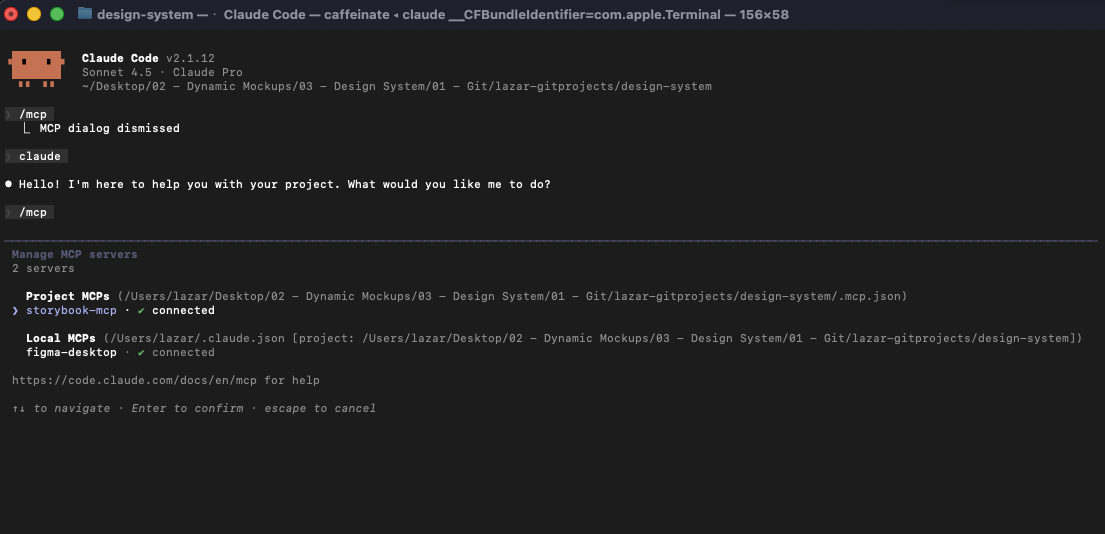
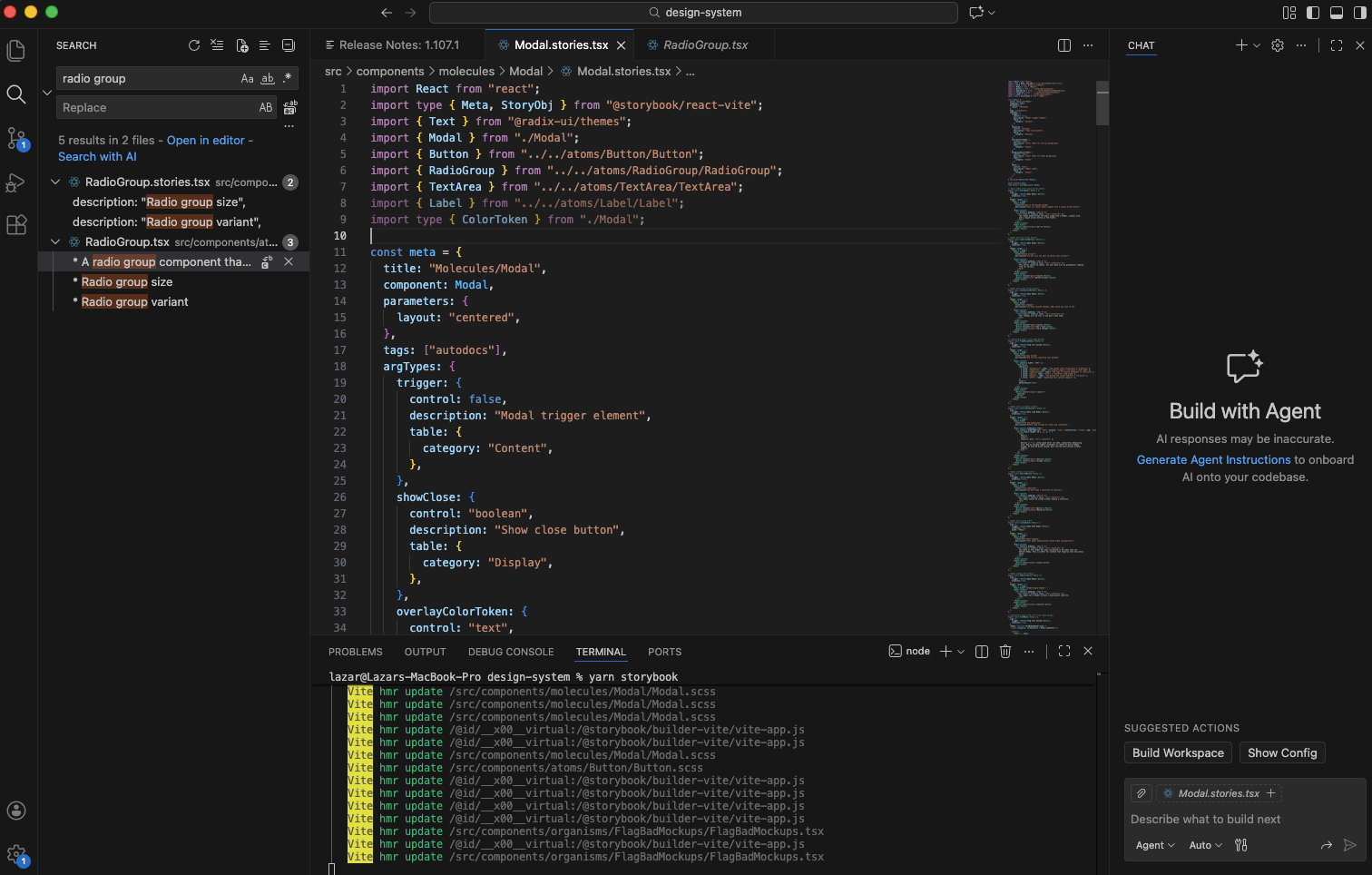
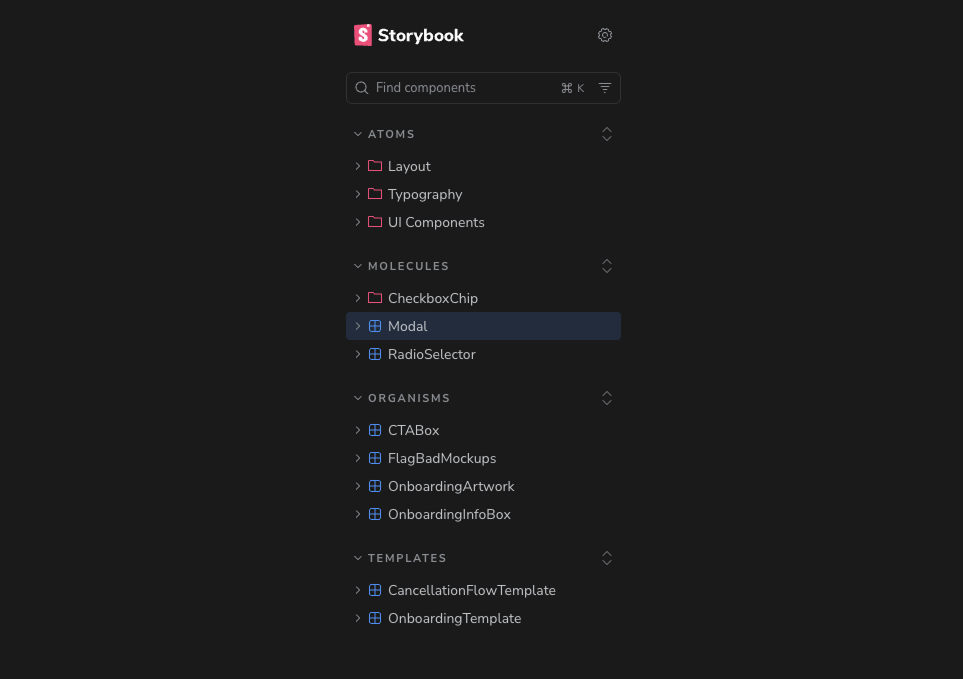
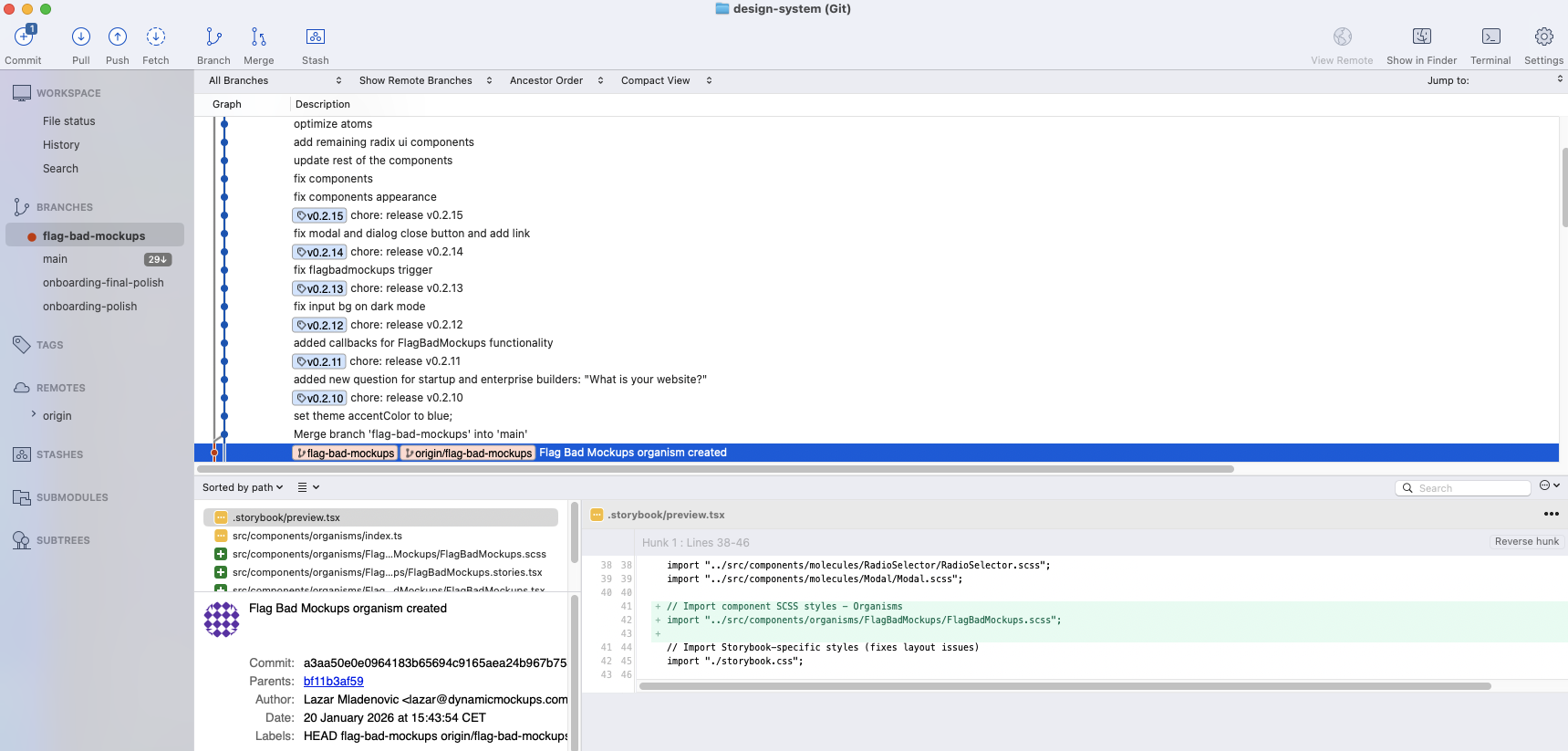
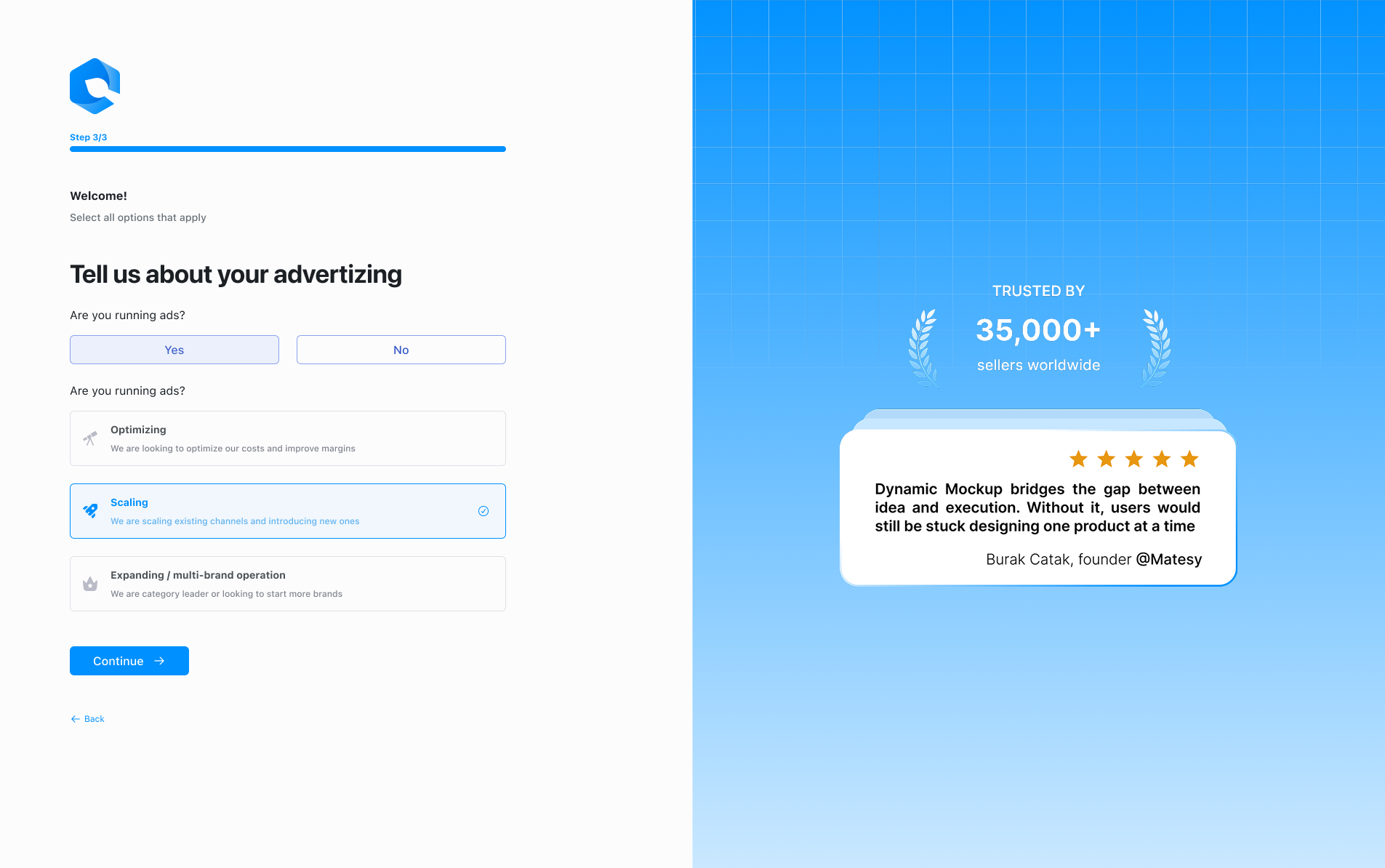
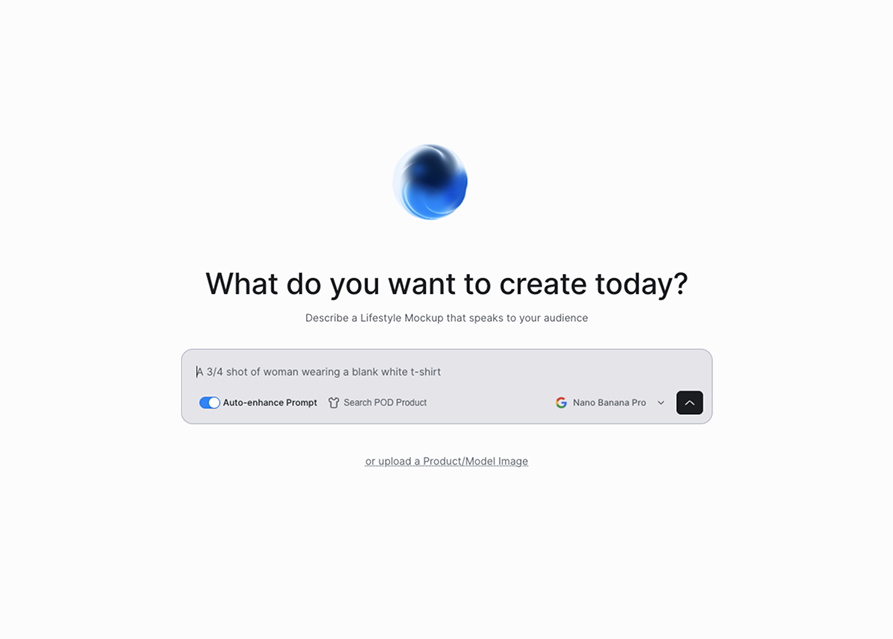
Dynamic Mockups sits at the intersection of design tools, AI, and production code.
Creators needed speed and flexibility, while engineers needed consistency and predictability. The workflow had to support both without slowing either side down.
The existing workflow was fragmented:
This caused duplicated effort, slower iteration, and inconsistent results between design intent and shipped output.

I approached the workflow as a system, not a set of tools.
The goal was to define clear responsibilities at each step while keeping transitions lightweight and understandable.
We aligned early through workshops and rapid validation, then formalized the workflow across tools instead of adding more process.


I worked closely with engineers to ensure the workflow matched real implementation needs.
Design decisions were validated against technical feasibility early, keeping the loop tight between Figma, AI-assisted logic, and production components.

The new workflow improved speed and clarity across teams.
Designs moved faster into production, handoff friction was reduced, and outputs became more consistent and predictable across features.
Clear ownership between tools is critical when AI is involved.
Next, I would invest earlier in guardrails for AI-assisted steps to further reduce edge cases and manual correction.
This case demonstrates my ability to design end-to-end workflows, bridge design and engineering, and integrate AI responsibly into real production systems.