Dynamic Mockups is a powerful creation tool, but first-time users were overwhelmed by flexibility and feature depth.
The challenge was onboarding users without slowing them down or forcing rigid flows, while working within a fast-moving, AI-driven product and a small team.
New users struggled to understand:
This caused friction in the first session and delayed perceived value, directly impacting activation and conversion.

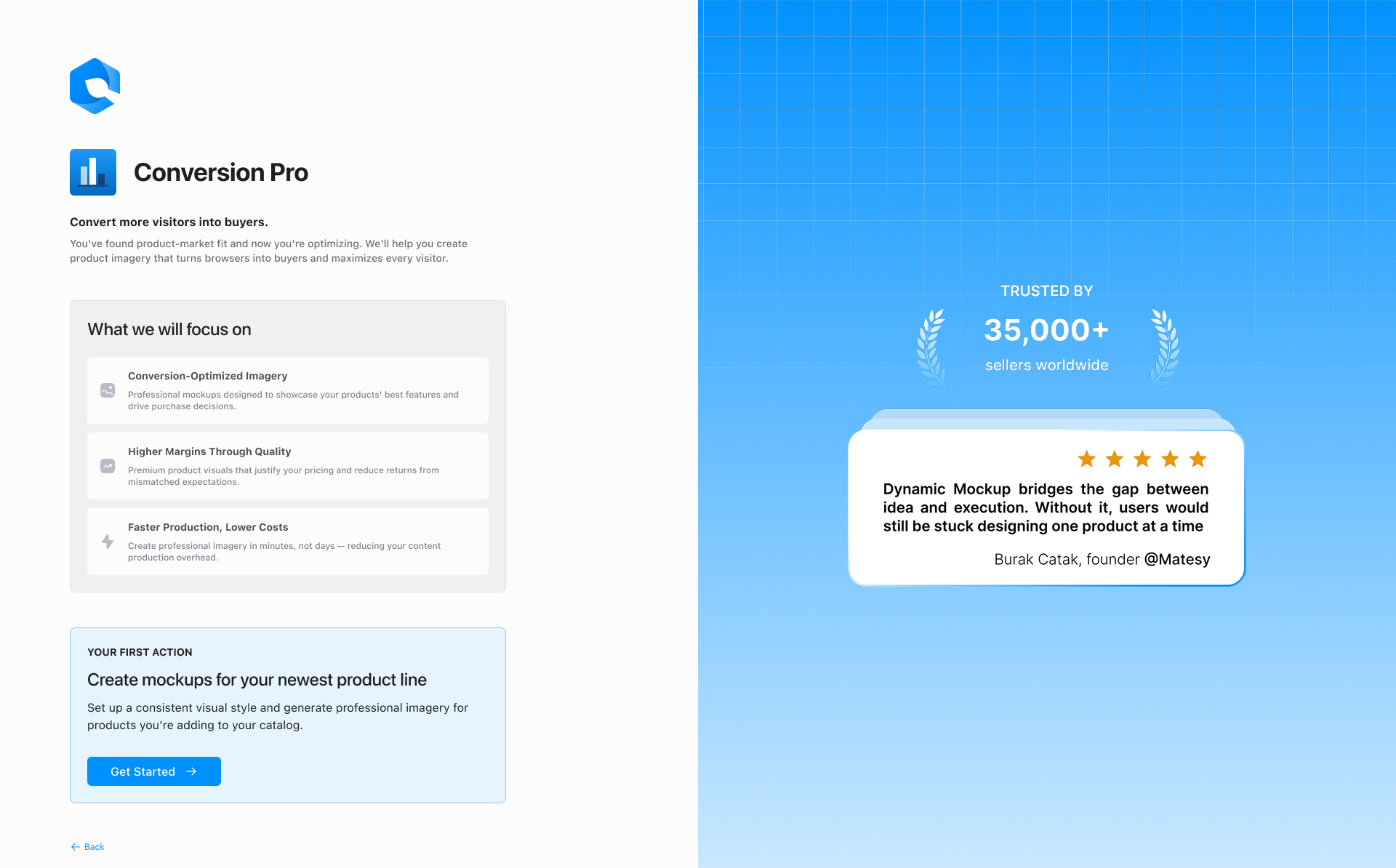
I treated onboarding as a product experience, not a tutorial.
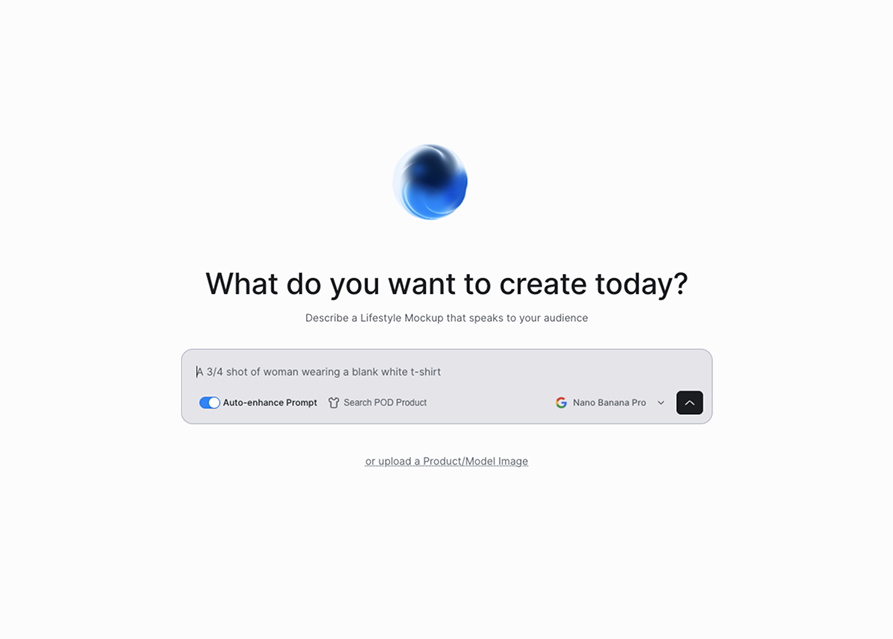
Instead of explaining everything, the strategy focused on helping users do one meaningful thing as fast as possible.
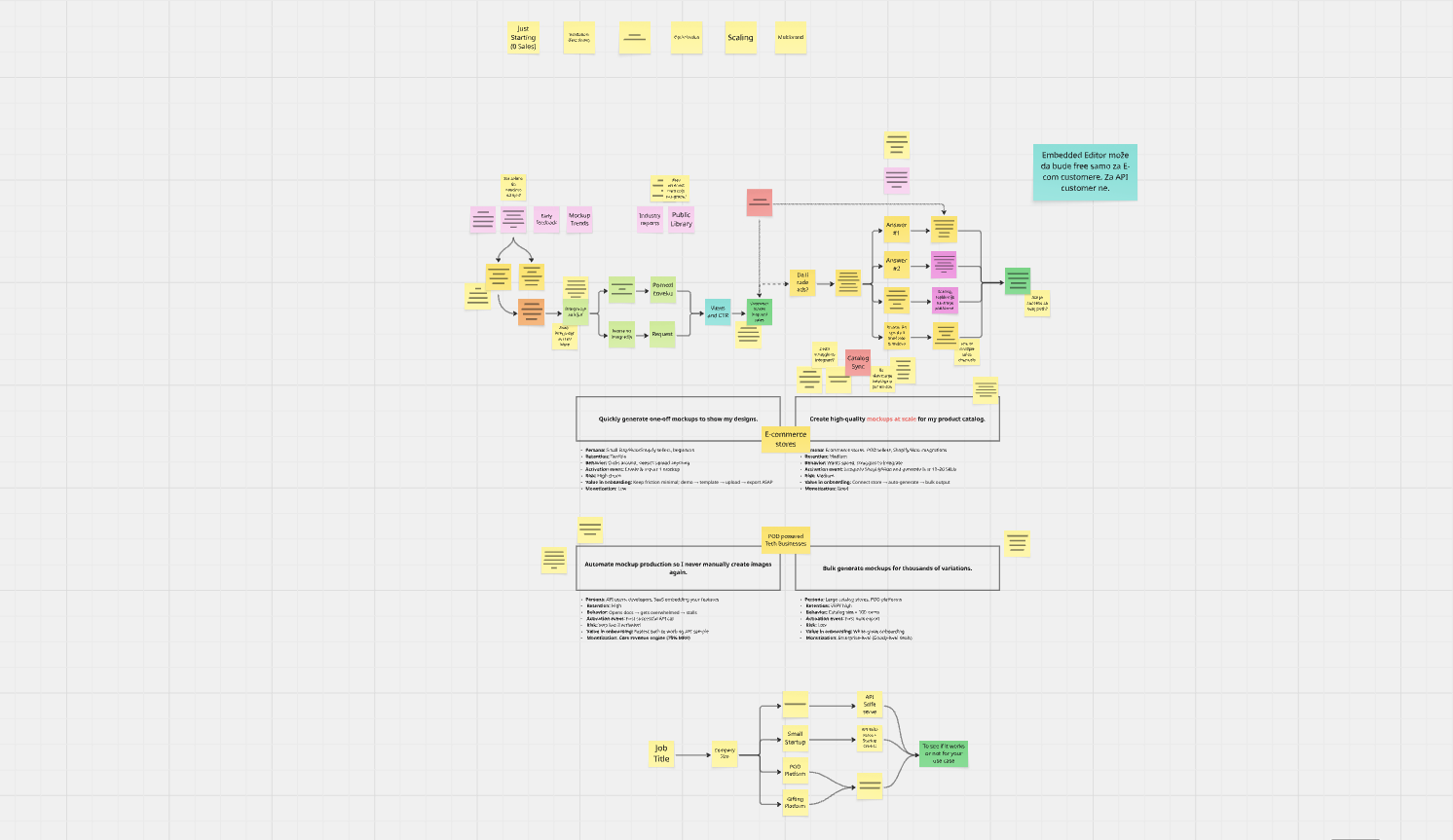
We validated direction early through a Lovable prototype and a Miro workshop, aligning product, UX, and technical constraints before moving into detailed design.

I worked closely with engineering to ensure designs were production-ready from day one.
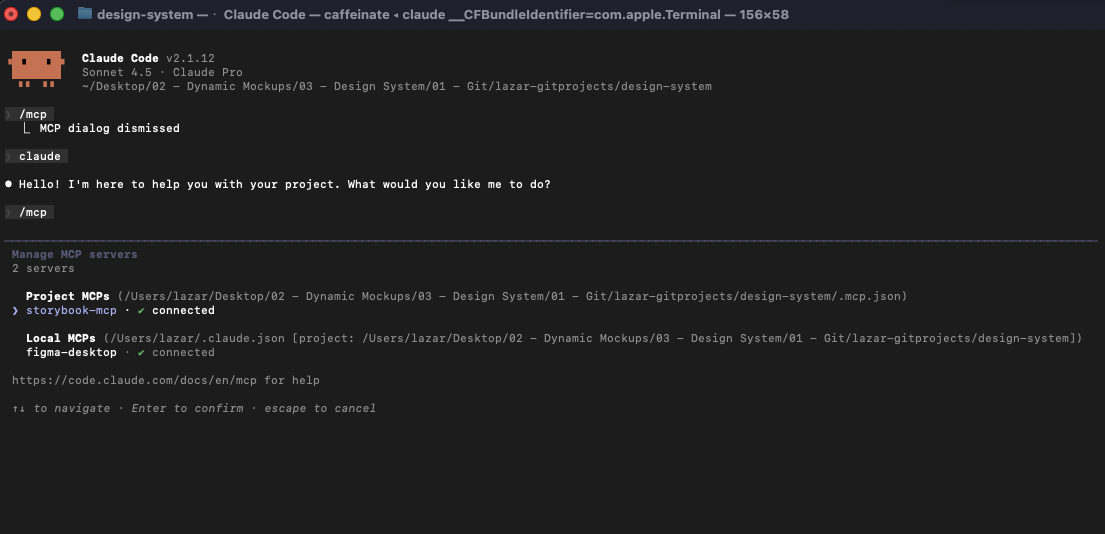
All onboarding flows and components were designed in Figma, structured as a system, and handed off through Claude-assisted logic and Storybook-ready components to minimize translation gaps.
The new onboarding reduced friction in the first session, helped users reach value faster, and improved overall activation.
Users better understood the product’s core value early, resulting in stronger engagement and confidence during their first interaction.
Clear intent beats detailed explanation in early experiences.
If iterating further, I would personalize onboarding even more based on user role and entry point, using behavioral signals earlier in the flow.
This case shows my ability to design activation-focused onboarding, align UX with AI and engineering workflows, and ship scalable, system-driven solutions that improve time-to-value.